Healthy Ageing: A Balanced Approach to Health, Wellness and Nutrition
Ageing is a natural part of life, but with the right approach to health, wellbeing and nutrition, older adults can continue to enjoy vitality, independence and a high quality of life. In today’s world, the focus has shifted from simply managing age-related conditions to actively promoting healthy ageing through a balanced and holistic lifestyle.
The Importance of Holistic Wellbeing in Later Life
Wellbeing in later life goes beyond physical health. It includes mental, emotional and social wellbeing, all of which play a vital role in maintaining independence and overall happiness. A balanced lifestyle can help reduce the risk of chronic illness, support mobility, improve mood and encourage meaningful social connections.
Simple, everyday choices, from staying active to maintaining a nutritious diet, can have a lasting and positive impact on quality of life.
Staying Physically Active
Regular Physical Activity is a key element of healthy ageing. Gentle forms of exercise such as walking, stretching, swimming or chair-based activities can improve circulation, flexibility and balance. These benefits not only enhance energy levels but also reduce the risk of falls.
Many community centres and care homes offer tailored fitness programmes designed specifically for older adults. These programmes ensure that activities remain safe, enjoyable and suitable for different abilities, encouraging consistent participation.
Supporting Mental and Social Wellbeing
Mental and emotional health are closely linked to physical wellbeing, yet they are sometimes overlooked in older adults. Conditions such as anxiety, depression and loneliness can become more common with age, particularly following retirement or the loss of loved ones.
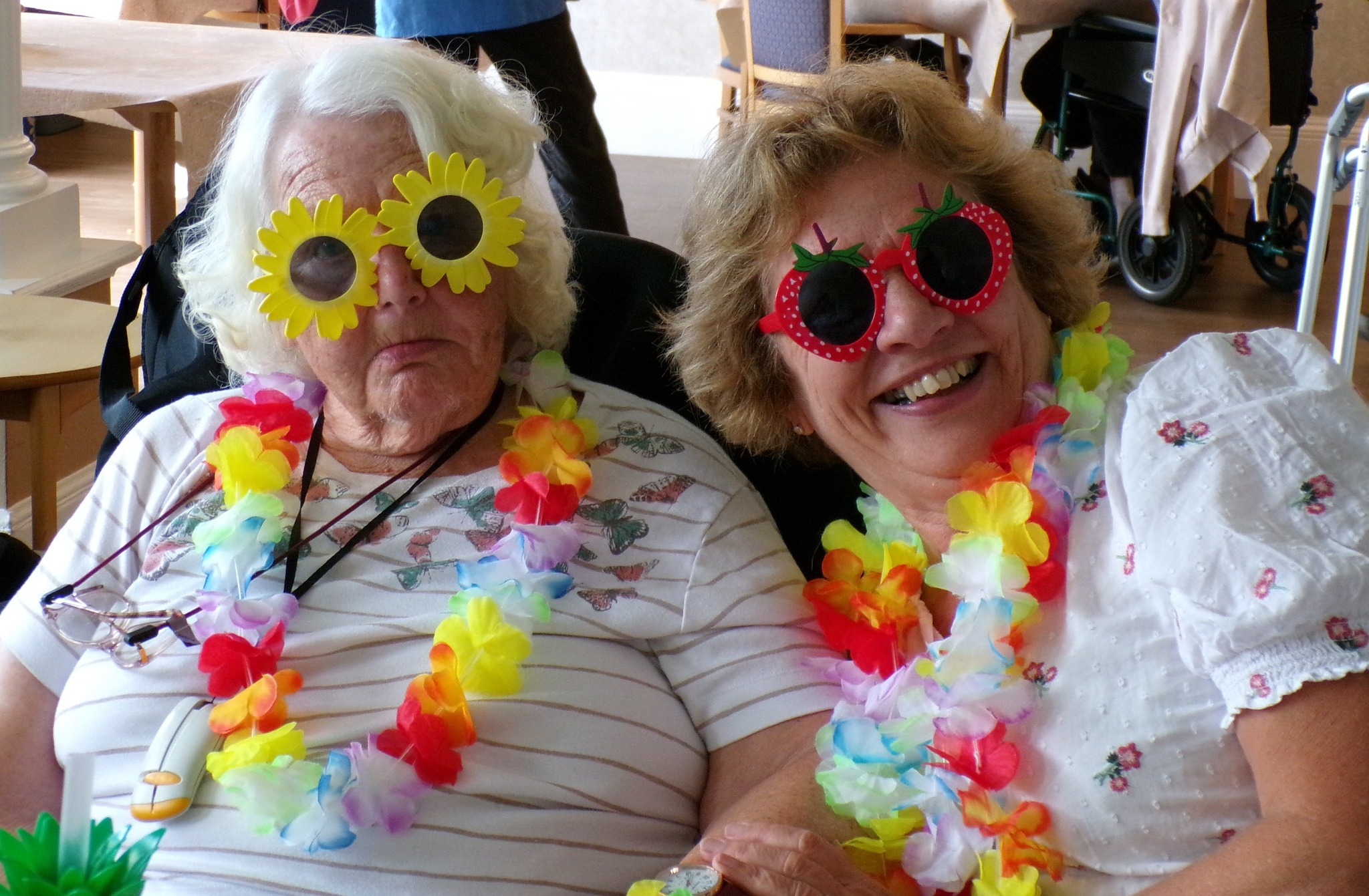
Maintaining strong social connections is essential. Regular contact with family and friends, participation in community activities and involvement in group settings can provide a sense of belonging and purpose. Engaging in hobbies, attending events and taking part in mentally stimulating activities such as reading, puzzles or learning new skills can also help keep the mind active and engaged.
Nutrition: Fuel for the Body and Mind
As people age, their nutritional needs naturally change. While fewer calories may be required, it becomes increasingly important to consume foods that are rich in essential nutrients to support overall health, immunity and cognitive function.
A balanced diet should include a variety of nutrient-dense foods. Protein plays an important role in maintaining muscle strength and can be found in foods such as fish, poultry, eggs, beans and lentils. A wide range of fruits and vegetables provides essential vitamins, minerals and antioxidants that help protect the body from cellular damage. Whole grains, including oats and wholemeal bread, support digestion and heart health, while dairy products such as milk, cheese and yoghurt contribute to strong bones through calcium and vitamin D. Healthy fats, found in foods like olive oil, avocados and oily fish, are also important for brain health.
Hydration is equally important, as the natural sense of thirst may decrease with age. Drinking fluids regularly throughout the day, along with consuming water-rich foods such as fruits and vegetables, helps maintain proper bodily function. Adequate hydration supports digestion, joint health and cognitive function, while also helping to prevent conditions such as urinary tract infections.
Managing Dietary Challenges
Older adults may face a range of dietary challenges, including reduced appetite, difficulty chewing or swallowing, or specific health conditions such as diabetes, high blood pressure or osteoporosis. Addressing these challenges often requires a more personalised approach to nutrition.
Careful meal planning, the inclusion of fortified foods and regular guidance from dietitians or healthcare professionals can make a significant difference. Many modern care providers now offer tailored nutrition plans that are designed to meet individual health needs while ensuring meals remain enjoyable and satisfying.
Sleep, Stress and Self-Care
Good quality sleep and effective stress management are essential components of overall wellbeing. Poor sleep can affect memory, mood and immune function, while ongoing stress can have a negative impact on physical health.
Establishing a consistent bedtime routine, reducing caffeine intake and limiting screen time in the evening can help improve sleep quality. Relaxation techniques such as mindfulness, gentle exercise or breathing practices can also support emotional balance and reduce stress.
A Balanced Approach to Ageing Well
Growing older does not mean giving up on health or vitality. With a thoughtful and balanced approach to wellbeing, older adults can continue to lead fulfilling and meaningful lives. By focusing on physical activity, good nutrition, social engagement and emotional wellbeing, it is possible to maintain both independence and a strong sense of purpose.
Ultimately, healthy ageing is about making supportive lifestyle choices that promote comfort, dignity and quality of life at every stage.